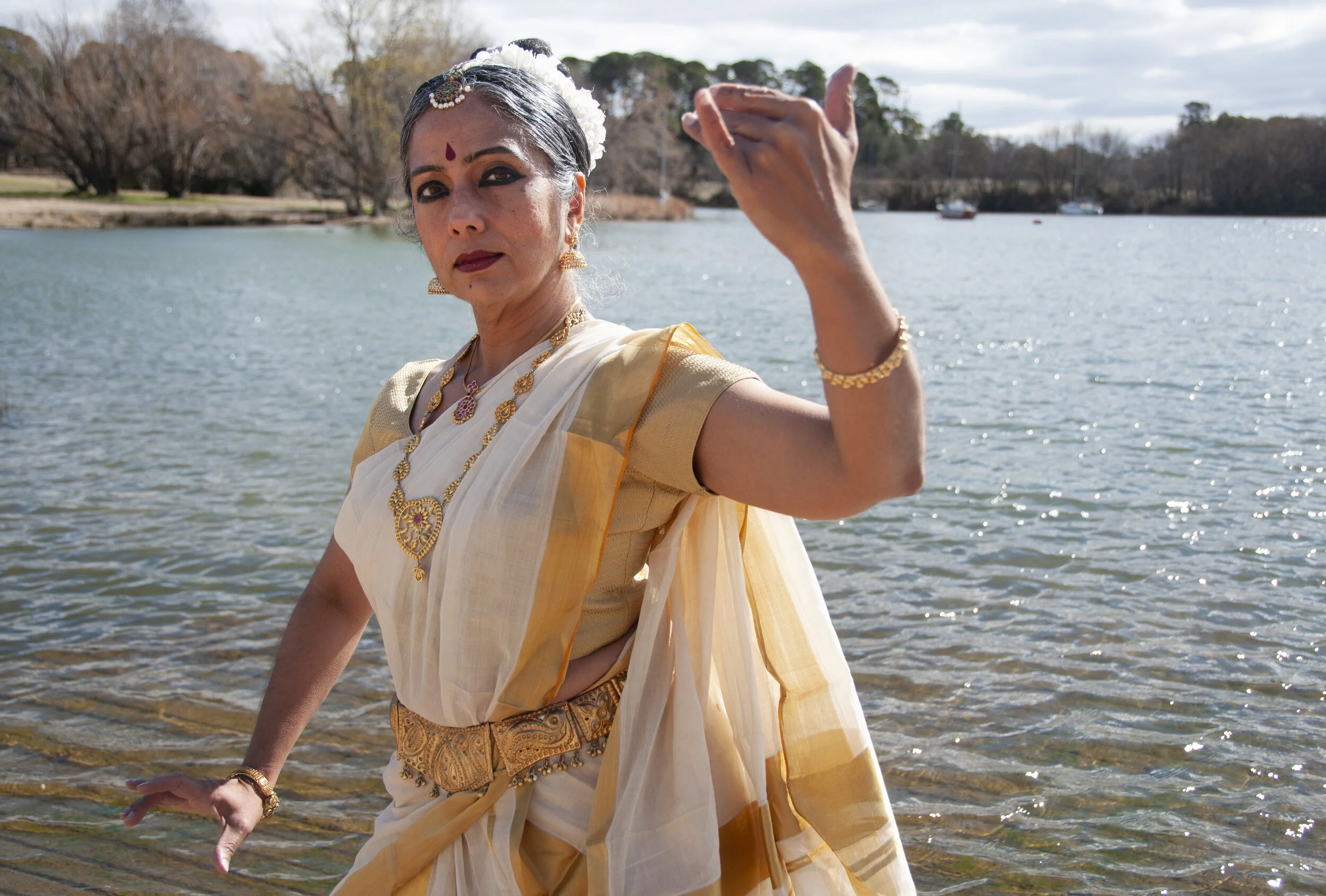
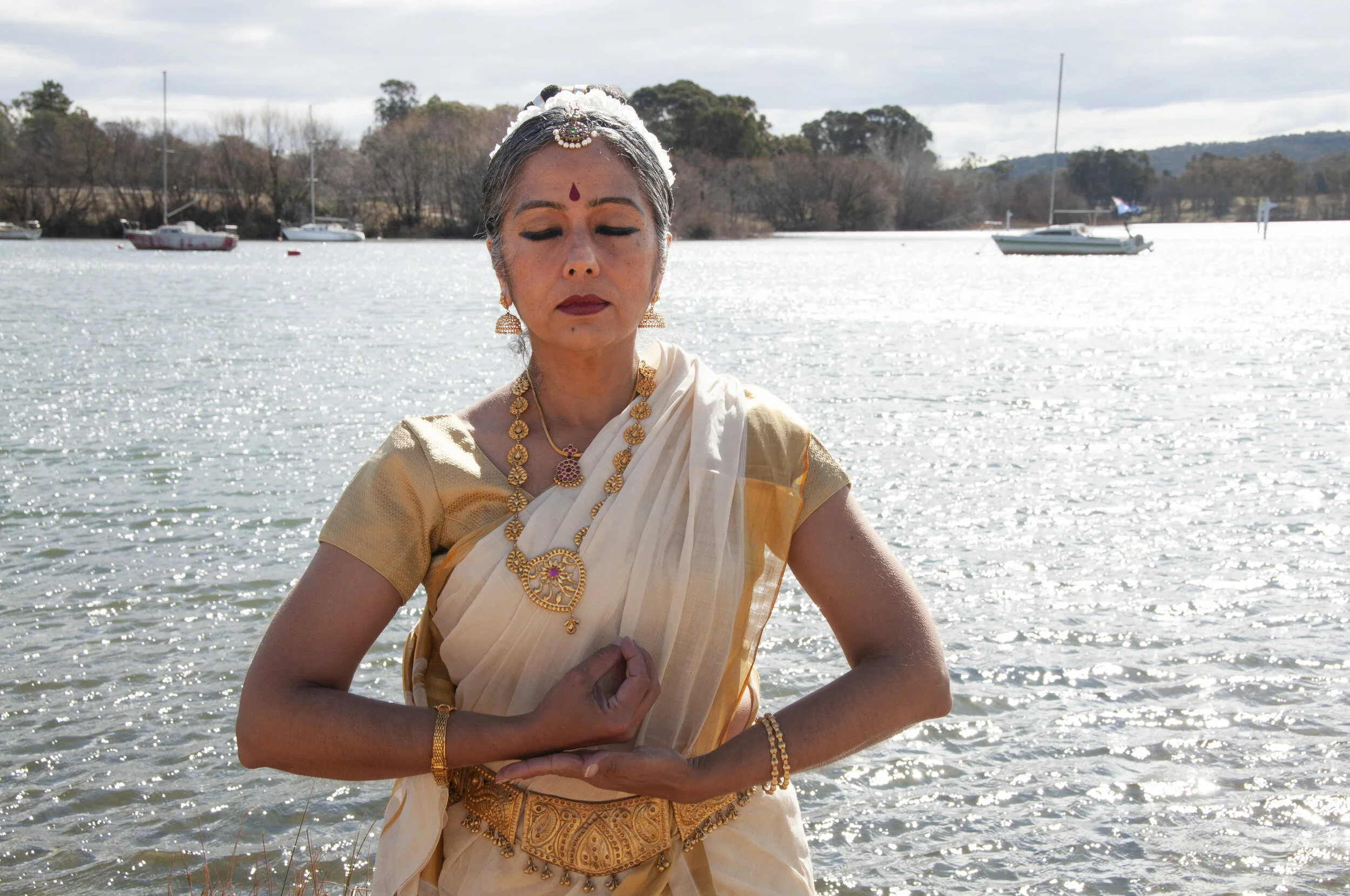
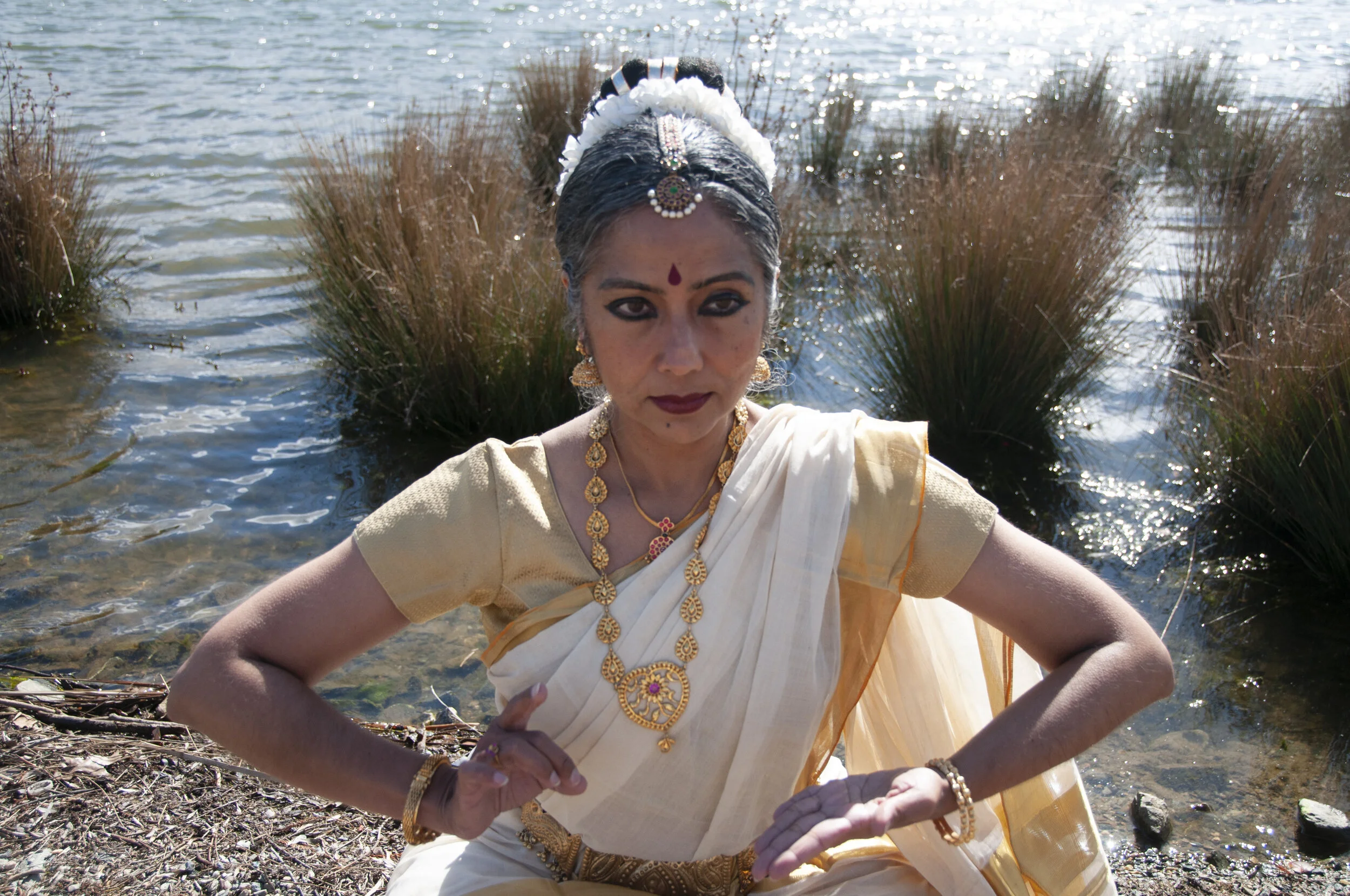

Vishnu is the domain of manifest reality and of all the movements that go to shape this experience. This dance of sky, earth, immanence and force is the dark waters on which Vishnu reclines.
Read More
Yogini practice is a space of radical transformation of perception and nowhere is this more palpable than in Yogini Vighneshwari.
Read More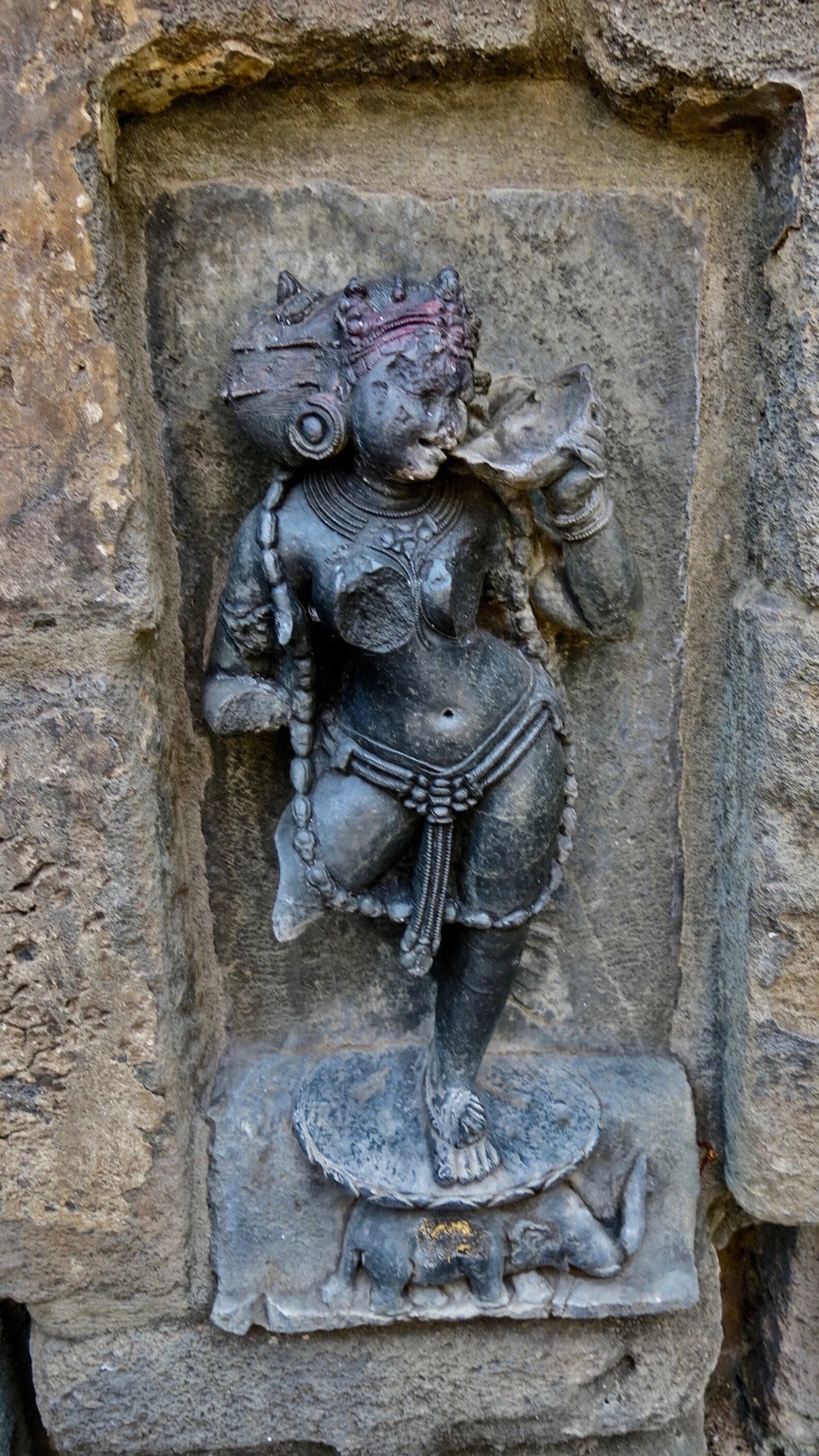
The “I” ness is a Rakshasa, a sub-human space of immense grandeur, majesty and magnetism. It holds the blood-thirsty ruthlessness of the Rakshasa and the grounded, swaying and kingly majesty of the elephant in the same moment.
Read More

Rati represents a voracious wanting that does not even pretend to the altruism of paradigms such as parenting (motherly or fatherly love) and other similarly mediated forms of our desire. Rati asks us to face the root of the desire nature in us, away from the veneer of gentility we endow upon that nature through our social and cultural narratives.
Read More

Kaama (pleasure, desire, lust, self-interest, attachment) has ten domains according to the ancient text on Indian temple dance- the Natya Sastra. This is a powerful framework for contemplating the root of the way in which we engage with life through the lens of self-interest…
Read More
At the heart of human experience is Kaama—desire or attachment to pleasurable outcomes. Kaama has popularly been interpreted in sentimental ways as love, however it is broader than our romantic interpretation. The art of dance contemplation in Indian temple traditions centralised Kaama as the domain of inquiry and transformation.
Read More
What is the significance of the courtesan tradition in Indian dance contemplation? How does this shape the use of aesthetics as a space for transformation? Why is it important to inquire into Kaama or the desire for pleasure?
Read More