The Archer archetype protects us in self-inquiry
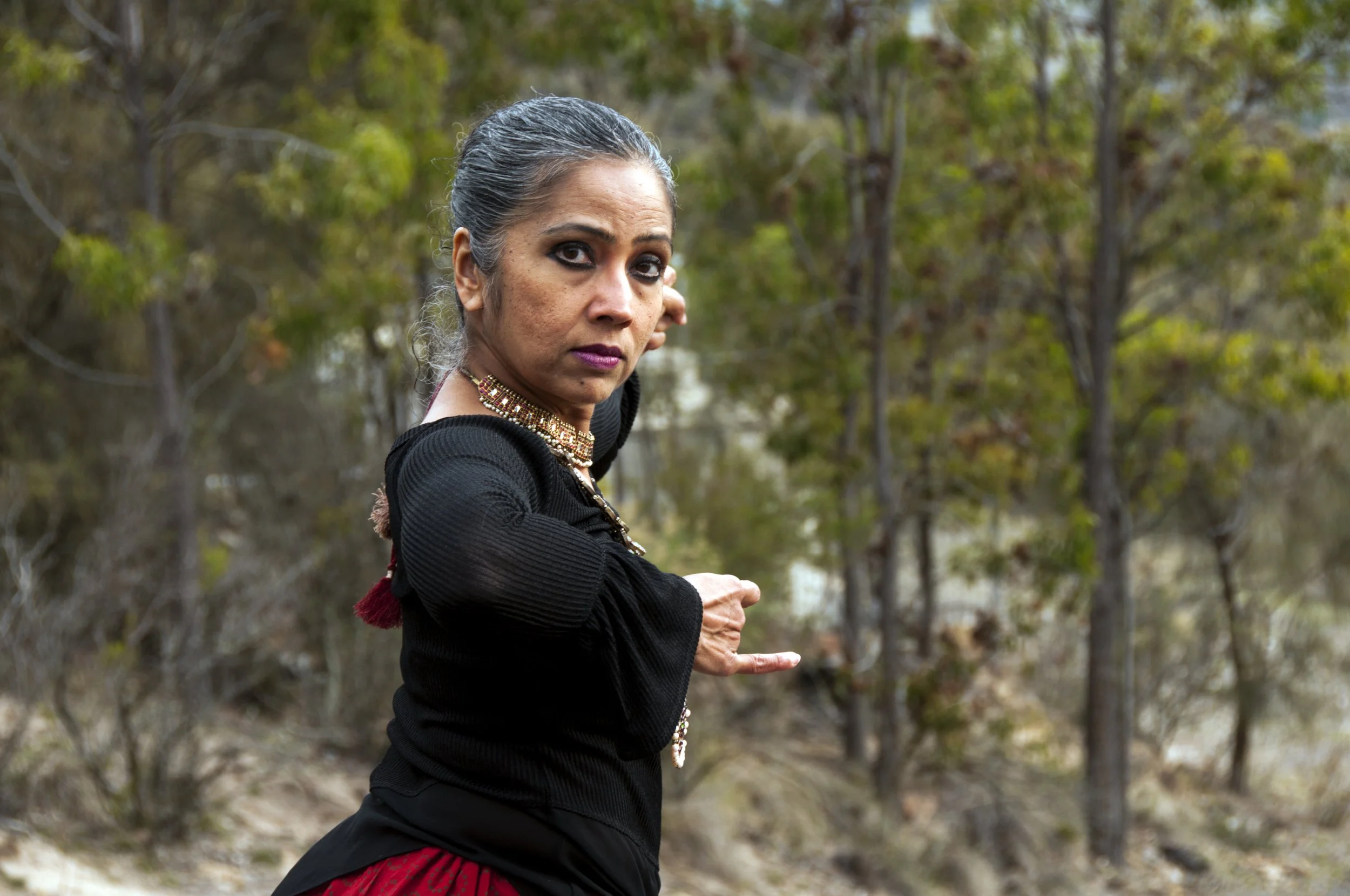
The warrior or the Archer is an ancient archetype which is seen in traditions across the world. However, today in many of our philosophical aspirations, we don't think that the qualities of an archer warrior, especially ferocity, is something that is spiritual. In fact, we think that spirituality should be cleansed of ferocity. But the truth of the matter is that if we want to venture into the cave of self-inquiry, we do need a degree of ferocity as well as skill. And these are the two things that the archer warrior archetype held in these traditions.
Read More
How archetypes help us with non-duality
Non duality is a very important principle of many philosophical traditions. And non duality is considered to be something to aspire for. Because it is said that when we can move beyond divisions of liking something or disliking something, or whether something is right and wrong or good and evil, then we are also able to come into a space that is more compassionate, less judgmental, something that is much more harmonious and more uniting rather than something where we judge not only other people, but also ourselves. However, non-duality is not a space that could always be very comfortable, it is a space that comes with experiences of unease or being unsettled.
Read More
Nature is sentient, Body is sentient
One of the most important propositions in archetypal traditions is that nature is sentient. And by that we mean that it is intelligent and its intelligence is of itself. So this means that it is not the same as us imposing our intelligence upon nature, but rather, that we experience the particular intelligence of nature when we are able to mirror. And that mirroring was done through embodied ritual traditions.
Read More
Dance is a technology of Consciousness!
In many ancient traditions across the world had dance was the central modality of their intelligence. Dance in these traditions had the role of being a technology of body consciousness. And that is because many of these traditions were alive to a more expansive intelligence that would allow them to mirror the multi-dimensional and expansive nature of Reality itself.
Read More
What we know in our Bones
Sometimes we say that we can feel something in our bones or we know something in our bones. And my sense is that we're not just talking about intuition, but we're talking about something else, a visceral feeling something that is of the body. In this video, I'm going to share with you the archetypal invocation of bones, especially through this amazing goddess Chamuda.
Read More
The space between resistance and surrender
Should we always surrender and accept? Is it bad to resist? The current course that I'm doing is called sattva. And it is about the interspaces, or those experiences, and the intelligence between two opposite conclusions, or two dualistic propositions, for example, good and evil, or right and wrong, or in this case between surrender and resistance. In this video I share with you a very simple but beautiful story, which I hope will illustrate for you this interesting space in an archetypal way.
Read More
Estrangement and Self-inquiry
One of our greatest fears is to be expelled from the familiar. When I meet people who are interested in my Individual Program, for many there is a lurking fear—what if my inquiry removes me from my familiar cosmos? Will it mean I have to leave friends and family? I do not suggest at any point that Self-inquiry is about removing oneself from anything. However, we appear to harbour a deep intuition that there is a mismatch between our Self or authenticity, and our everyday reality, therefore turning to Self may entail a transformation of our intimate reality.
Read More
The ancestry of Bone
There is something very finite about Bone. We come to an ending in the architecture of Bone which is the skeleton of Body. In the intimacy of Bone, all masks of narratives, like flesh, become one with soil. What endures beyond flesh is Bone.
Read More
What is archetypal dance?
Archetypal dance is the dance that was practiced by many ancient cultures in different parts of the world to transform consciousness. An archetypal tradition is a space of plurality and multi- dimensionality.
Read More
What is an archetype?
Archetypes brings reality home into the body as the experience of our senses, and the ability to express that experience through embodied traditions.
Read More